Unveiling ChatGPT: The Power and Potential of Conversational AI
Artificial Intelligence (AI) has made significant strides in recent years, with chatbots emerging as some of the most transformative applications. Among these, ChatGPT, developed by OpenAI, stands out as a powerful tool in the realm of conversational AI. In this blog, we’ll explore what ChatGPT is, its capabilities, applications, and the impact it is making across various industries.
What is ChatGPT?
ChatGPT is a conversational AI model based on OpenAI’s GPT (Generative Pre-trained Transformer) architecture. It is designed to generate human-like text based on the input it receives. Trained on diverse datasets, ChatGPT can engage in coherent and contextually relevant conversations, making it a versatile tool for a range of applications.
How Does ChatGPT Work?
ChatGPT operates by predicting the next word in a sequence given a prompt. It uses a transformer-based neural network, which processes and generates text based on patterns and relationships it has learned during training. This model is pre-trained on a vast array of internet text and fine-tuned to improve its performance in specific tasks or domains.
Capabilities of ChatGPT
- Natural Language Understanding and Generation
- ChatGPT excels in understanding and generating text that resembles human language. This allows it to engage in meaningful conversations, answer questions, and provide information on a wide range of topics.
- Contextual Relevance
- It can maintain context over a series of interactions, making conversations more coherent and relevant. This contextual awareness helps in creating engaging and productive dialogues.
- Versatility in Applications
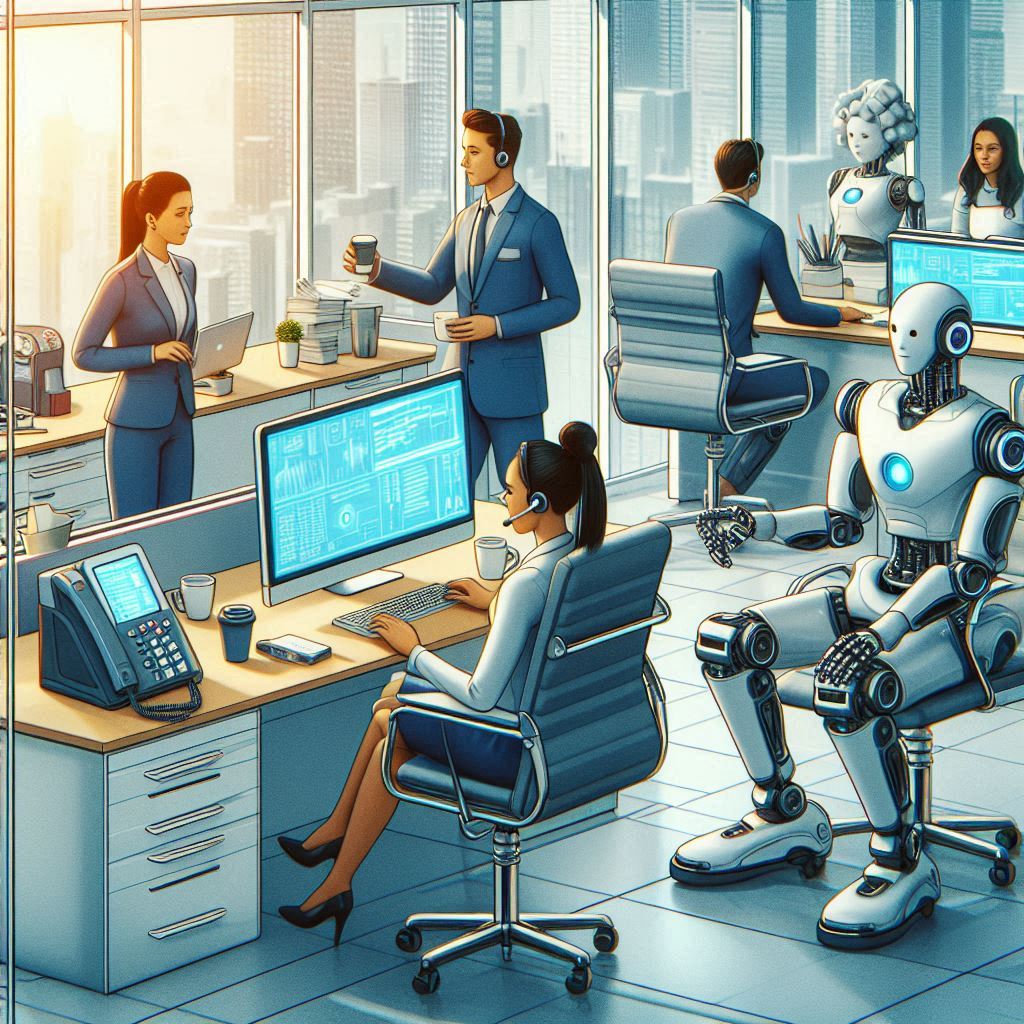
- From casual chats to complex problem-solving, ChatGPT can adapt to various scenarios, making it useful for diverse applications like customer support, content creation, and educational assistance.
Applications of ChatGPT
- Customer Support
- Enhanced Service: ChatGPT can handle routine customer inquiries, provide instant responses, and assist with troubleshooting, improving efficiency and customer satisfaction.
- 24/7 Availability: It offers round-the-clock support, ensuring that customer service is accessible even outside regular business hours.
- Content Creation
- Writing Assistance: ChatGPT can assist in drafting articles, generating creative content, and even brainstorming ideas, making it a valuable tool for writers and marketers.
- Language Translation: While not a replacement for specialized translation services, it can help in translating text or providing initial drafts for multilingual content.
- Education and Training
- Tutoring and Learning: ChatGPT can provide explanations, answer questions, and assist with homework, serving as a supplementary educational tool.
- Skill Development: It can engage in practice conversations or simulate scenarios for training purposes, such as language learning or professional development.
- Personal Assistance
- Task Management: ChatGPT can help with scheduling, reminders, and organizing information, functioning as a virtual assistant to streamline daily tasks.
- Entertainment: It can engage users with interesting facts, stories, or casual conversation, providing a source of entertainment and engagement.
Impact on Society and Industries
ChatGPT represents a significant advancement in AI technology with the potential to transform various industries. Its ability to provide instant, accurate, and contextually relevant information makes it a valuable asset in sectors such as customer service, education, and content creation. By automating routine tasks and offering personalized interactions, ChatGPT can enhance productivity and user experience.
However, the widespread adoption of ChatGPT also raises important considerations:
- Ethical Use and Privacy
- Data Security: Ensuring that user interactions are handled securely and in compliance with privacy regulations is crucial.
- Bias and Fairness: Addressing potential biases in AI responses and striving for fairness in interactions are essential for responsible AI deployment.
- Human-AI Collaboration
- Complementing Human Skills: ChatGPT is designed to complement human abilities rather than replace them. Leveraging its capabilities alongside human expertise can lead to more effective and innovative solutions.
- Continuous Improvement
- Ongoing Development: As AI technology evolves, continuous refinement and updates are necessary to enhance performance and address emerging challenges.
Conclusion
ChatGPT embodies the remarkable progress of AI in conversational technology. Its ability to understand and generate human-like text opens up new possibilities for enhancing communication, productivity, and creativity. As we continue to explore its applications and potential, it’s essential to navigate the ethical and practical considerations associated with its use.
By harnessing the power of ChatGPT responsibly and thoughtfully, we can unlock its full potential and drive positive change across various domains. Whether in customer service, content creation, or personal assistance, ChatGPT is set to play a pivotal role in shaping the future of human-AI interactions.