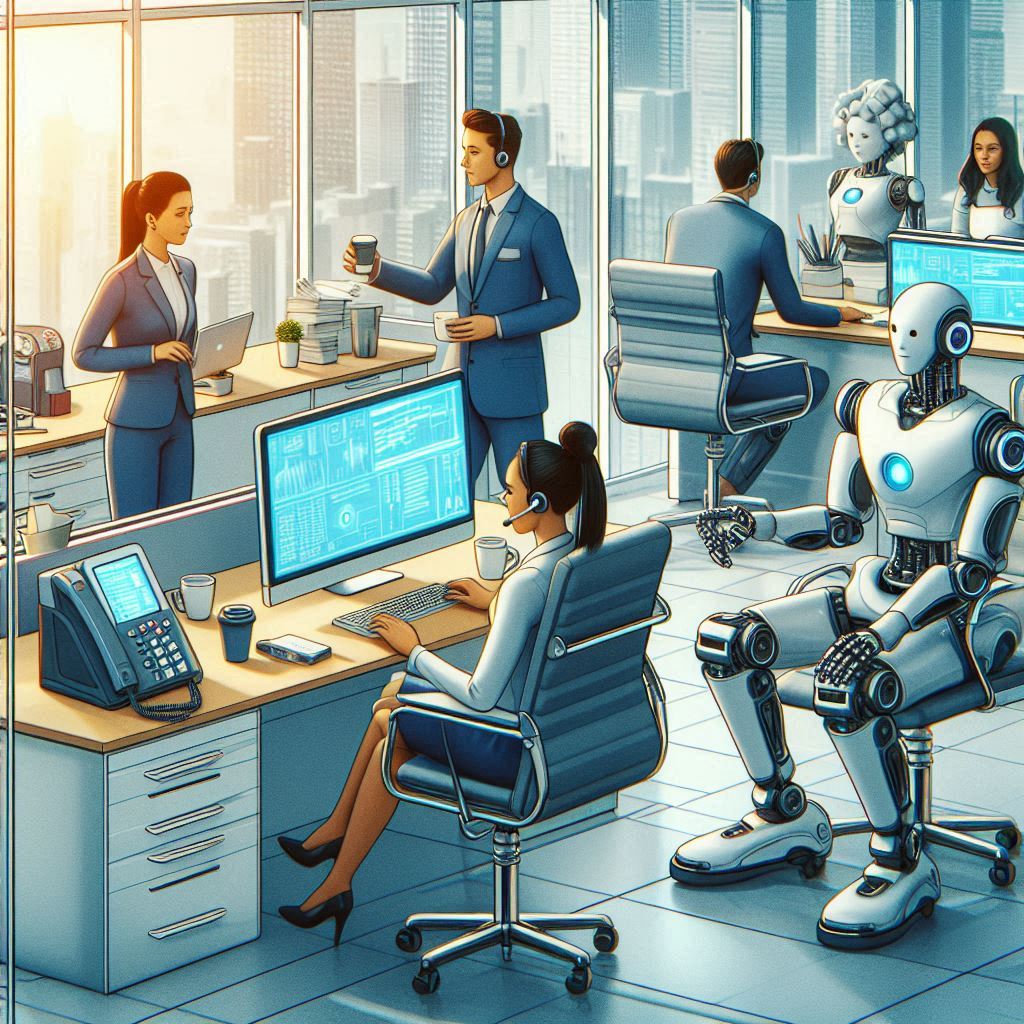

Robots have transitioned from the realms of science fiction to becoming integral components of modern life and industry. From automating repetitive tasks to performing complex operations in hazardous environments, robots are reshaping various sectors. This blog aims to provide a professional yet accessible overview of robots, their applications, benefits, and the future of robotics.
What are Robots?
Robots are programmable machines designed to perform tasks autonomously or semi-autonomously. They can be programmed to carry out specific functions, ranging from simple repetitive actions to intricate operations requiring advanced decision-making. The field of robotics encompasses the design, construction, operation, and use of robots, integrating elements of engineering, computer science, and artificial intelligence.
Types of Robots
Robots come in various forms, each tailored to specific tasks and environments. Here are some common types:
- Industrial Robots: These are used in manufacturing and production environments to automate repetitive tasks such as welding, painting, and assembly. They improve efficiency and precision in factories and are commonly found in automotive and electronics industries.
- Service Robots: Designed to assist humans in various everyday tasks, service robots include vacuum cleaners, lawn mowers, and personal assistants. These robots enhance convenience and quality of life in both domestic and commercial settings.
- Medical Robots: In healthcare, robots perform delicate surgeries, assist in diagnostics, and aid in rehabilitation. Examples include surgical robots like the Da Vinci Surgical System and robotic exoskeletons that help patients regain mobility.
- Exploration Robots: Used for exploring environments that are inaccessible or hazardous to humans, such as outer space, underwater, or disaster sites. Notable examples are Mars rovers and underwater drones.
- Educational Robots: These robots are used in educational settings to teach concepts of robotics, programming, and engineering. They help students and professionals gain hands-on experience with robotics technology.
Applications of Robots
Robots are revolutionizing various sectors with their diverse applications:
- Manufacturing: Robots automate production lines, performing tasks with high precision and speed. This leads to increased productivity, reduced labor costs, and improved safety by handling dangerous tasks.
- Healthcare: In medicine, robots assist in surgeries with enhanced accuracy, provide rehabilitation support, and automate routine tasks such as medication dispensing. This contributes to better patient outcomes and operational efficiency in healthcare facilities.
- Agriculture: Robots in agriculture are used for planting, harvesting, and monitoring crops. They help improve efficiency and reduce the need for manual labor, which is increasingly important as the global population grows.
- Logistics: In warehousing and distribution centers, robots handle sorting, packing, and transporting goods. This streamlines supply chain operations and enhances efficiency.
- Military and Defense: Robots are employed for bomb disposal, reconnaissance, and surveillance, reducing risks to human soldiers and enhancing operational capabilities.
Benefits of Robots
- Increased Efficiency: Robots can perform repetitive and precise tasks more quickly and accurately than humans, leading to significant productivity gains.
- Improved Safety: By taking over dangerous or hazardous tasks, robots help reduce workplace accidents and improve safety in environments such as factories and disaster sites.
- Cost Reduction: Although the initial investment in robotics technology can be high, the long-term savings from reduced labor costs and increased efficiency can be substantial.
- Enhanced Precision: Robots offer high levels of precision and consistency, which is crucial for tasks requiring meticulous attention to detail, such as surgical procedures and manufacturing.
- 24/7 Operation: Unlike humans, robots do not require breaks and can operate continuously, providing around-the-clock service and productivity.
Challenges and Considerations
While robots offer numerous advantages, several challenges and considerations must be addressed:
- Cost: The initial cost of purchasing and integrating robotic systems can be high. Organizations must weigh these costs against the long-term benefits.
- Job Displacement: Automation can lead to job displacement in certain sectors. It is essential to consider workforce retraining and upskilling to mitigate these impacts.
- Complexity: Advanced robots require sophisticated programming and maintenance. Ensuring that operators are adequately trained is crucial for effective use and upkeep.
- Ethical and Privacy Concerns: As robots become more integrated into daily life, issues related to privacy, security, and ethical use must be addressed. This includes safeguarding against misuse and ensuring that robots respect user privacy.
- Reliability: Ensuring that robots operate reliably in various conditions is crucial, particularly in critical applications like healthcare and defense.
The Future of Robotics
The field of robotics is rapidly evolving, driven by advancements in artificial intelligence, machine learning, and materials science. Key trends shaping the future of robotics include:
- AI Integration: Incorporating AI into robotics will enable machines to perform more complex tasks, make autonomous decisions, and interact more naturally with humans.
- Collaborative Robots (Cobots): Cobots are designed to work alongside humans, enhancing productivity and safety by taking on repetitive or dangerous tasks while allowing human operators to focus on more complex activities.
- Soft Robotics: Soft robotics involves the development of robots made from flexible materials that can adapt to various shapes and environments, opening new possibilities for applications in healthcare, agriculture, and beyond.
- Robotics in Everyday Life: As technology becomes more affordable, robots are likely to become more prevalent in households, providing assistance with daily tasks and improving quality of life.
- Ethical and Regulatory Developments: As robots become more embedded in society, developing ethical guidelines and regulations will be crucial to ensure responsible use and address potential risks.
Conclusion
Robots are transforming industries, enhancing productivity, and improving quality of life across various domains. While there are challenges to overcome, the benefits and potential of robotics are vast. As technology continues to advance, robots will play an increasingly significant role in shaping the future of work, healthcare, and everyday life. Understanding the fundamentals of robotics and staying informed about emerging trends will be essential for leveraging this technology to its fullest potential.
Whether you’re an industry professional, a technology enthusiast, or someone curious about the future, the journey into robotics offers exciting opportunities and insights into the evolving landscape of innovation.