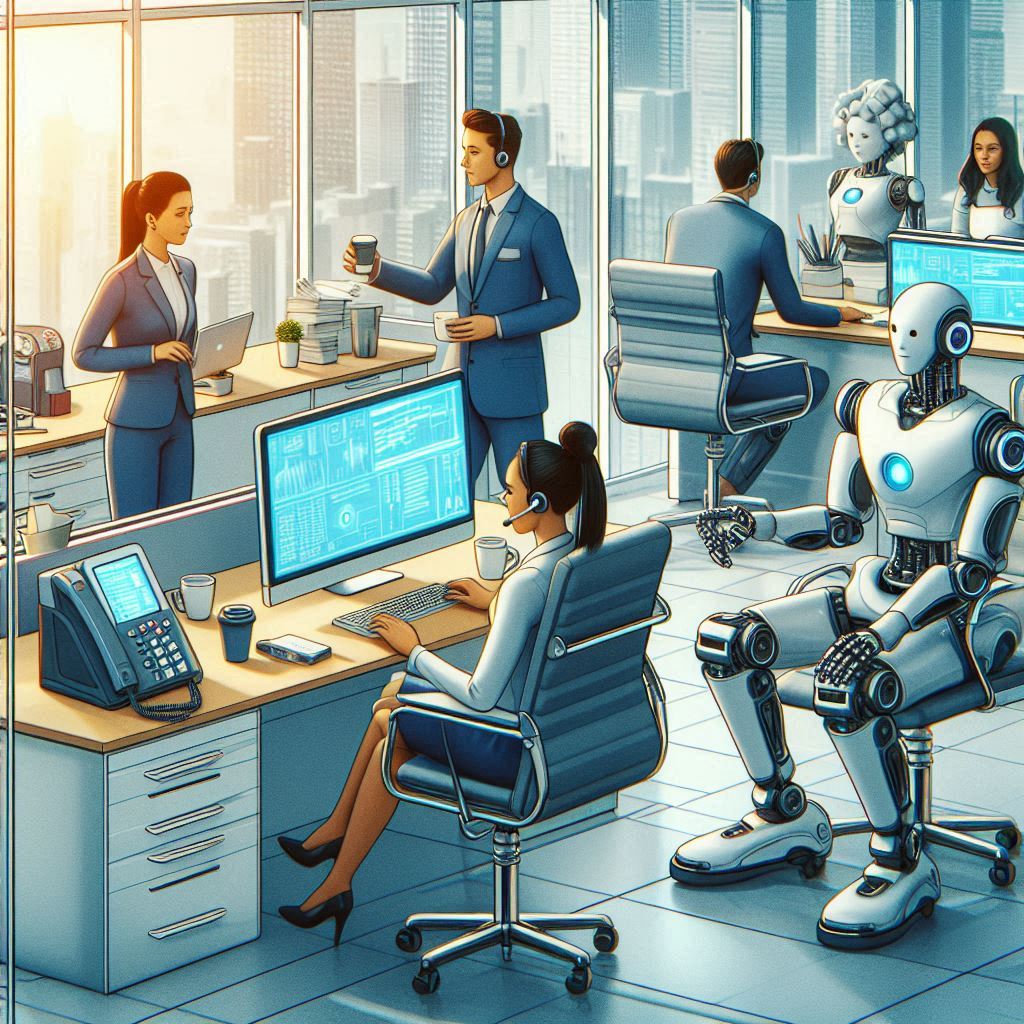
The impact of artificial intelligence (AI) on employment is a topic of considerable debate and research. Estimates regarding the number of jobs that AI might affect by 2030 vary widely depending on the methodology, scope of analysis, and assumptions used. Here’s an overview of key insights and predictions related to AI and employment by 2030:
1. Estimates of Job Displacement and Creation
- World Economic Forum (WEF): In their 2020 report, the WEF estimated that AI and automation could displace 85 million jobs by 2025. However, they also predicted that these technologies could create 97 million new jobs, resulting in a net gain of 12 million jobs. By 2030, the impact could be more significant as technology continues to advance and industries evolve.
- McKinsey & Company: McKinsey’s research suggests that automation, including AI, could affect up to 30% of the global workforce by 2030. This estimate includes both job displacement and transformation of roles rather than outright loss of employment.
- OECD (Organization for Economic Cooperation and Development): The OECD has highlighted that up to 14% of jobs across member countries are at high risk of automation by the early 2030s. Another 32% of jobs could experience significant changes in how they are performed due to automation.
2. Factors Influencing Job Displacement
- Sector and Job Type: Jobs that involve routine, repetitive tasks are more susceptible to automation. This includes roles in manufacturing, data entry, and customer service. In contrast, jobs requiring complex problem-solving, emotional intelligence, and creativity are less likely to be automated.
- Speed of Adoption: The extent of job displacement will depend on how quickly organizations adopt and implement AI technologies. Industries that rapidly integrate AI may see more immediate impacts, while others may experience gradual changes.
- Economic and Policy Factors: Government policies, economic conditions, and regulatory environments can influence the pace of automation and job displacement. Efforts to retrain workers and adapt educational systems to future needs can mitigate some negative effects.
3. Job Creation and Transformation
- New Opportunities: AI is expected to create new job categories and opportunities that do not currently exist. Roles in AI development, data analysis, cybersecurity, and technology maintenance are likely to grow. Additionally, jobs in areas like healthcare, education, and creative industries may expand due to AI’s ability to enhance productivity and efficiency.
- Job Transformation: Many existing roles will undergo transformation rather than being eliminated. For example, AI can augment human capabilities in fields such as medicine, where doctors might use AI tools for diagnostics, or in finance, where analysts might use AI for data-driven decision-making.
4. Reskilling and Adaptation
- Reskilling Programs: To address the impact of AI on employment, there will be a growing emphasis on reskilling and upskilling programs. Workers will need to acquire new skills and adapt to changing job requirements. Education systems and training programs will play a crucial role in preparing the workforce for future demands.
- Lifelong Learning: Continuous learning and adaptability will become increasingly important as the job market evolves. Individuals will need to be proactive in updating their skills to stay relevant in an AI-driven economy.
5. Long-Term Outlook
- Uncertain Projections: While estimates provide some insight, the long-term impact of AI on jobs remains uncertain due to various unpredictable factors, including technological advancements, regulatory responses, and global economic conditions.
- Balanced Perspective: It is important to consider both the potential for job displacement and the opportunities for job creation and transformation. A balanced approach can help societies prepare for and manage the transition to an AI-enhanced economy.
Conclusion
The number of jobs affected by AI by 2030 will depend on multiple factors, including the pace of technological adoption, the nature of work, and societal responses. While estimates suggest significant potential for job displacement, there is also considerable potential for job creation and transformation. Proactive measures such as reskilling, education, and policy adaptation will be crucial in addressing the challenges and opportunities presented by AI.